
Film & TV
Why HDR sometimes looks worse than SDR
HDR promises brighter highlights and deeper shadows. On a lot of televisions it delivers a dim, washed-out picture instead — and the reasons are usually fixable.
Media Fun Box Blog
Getting more out of the films, music, games and software you already pay for.
Explained properly, without jargon or a spec sheet reworded
Settings to change, checks to run, things to test on your own setup
No account, no paywall, no newsletter, no cookies
Written across software, film and TV, music, games and longer step-by-step guides. Audio and video formats, streaming quality, subscriptions and billing, downloads and DRM, backups, home media setups.
The aim is the practical layer: whether lossless files are worth the storage, why a 4K stream can still look soft, what a download licence actually lets you keep, how to find recurring charges you've forgotten you're paying. Enough detail to act on, without needing to know the jargon first.
Nothing here depends on which service you happen to use — the same formats, settings and checks apply either way.
No articles match that search.
HDR promises brighter highlights and deeper shadows. On a lot of televisions it delivers a dim, washed-out picture instead — and the reasons are usually fixable.

Cloud gaming feels laggy for reasons that have little to do with your download speed. The delay is several separate stages stacked on top of each other, and only some are yours to fix.

Updating immediately and never updating are both bad policies. The workable version depends on what kind of update it is and how much a failure would cost you.

Install sizes have grown far faster than games have got bigger. The causes are mundane, and several of them are choices made to help your console rather than to fill your drive.

Subtitles and closed captions are not the same feature, and when timing drifts out the cause is usually a frame rate mismatch rather than a badly made file.

Some games stop existing when a company decides they should. Which ones are vulnerable comes down to a single question: how much of the game lives on someone else's computer?

Lossless files are four to six times larger than a good AAC encode. Whether you can hear the difference depends far less on the format than on three things almost nobody checks first.
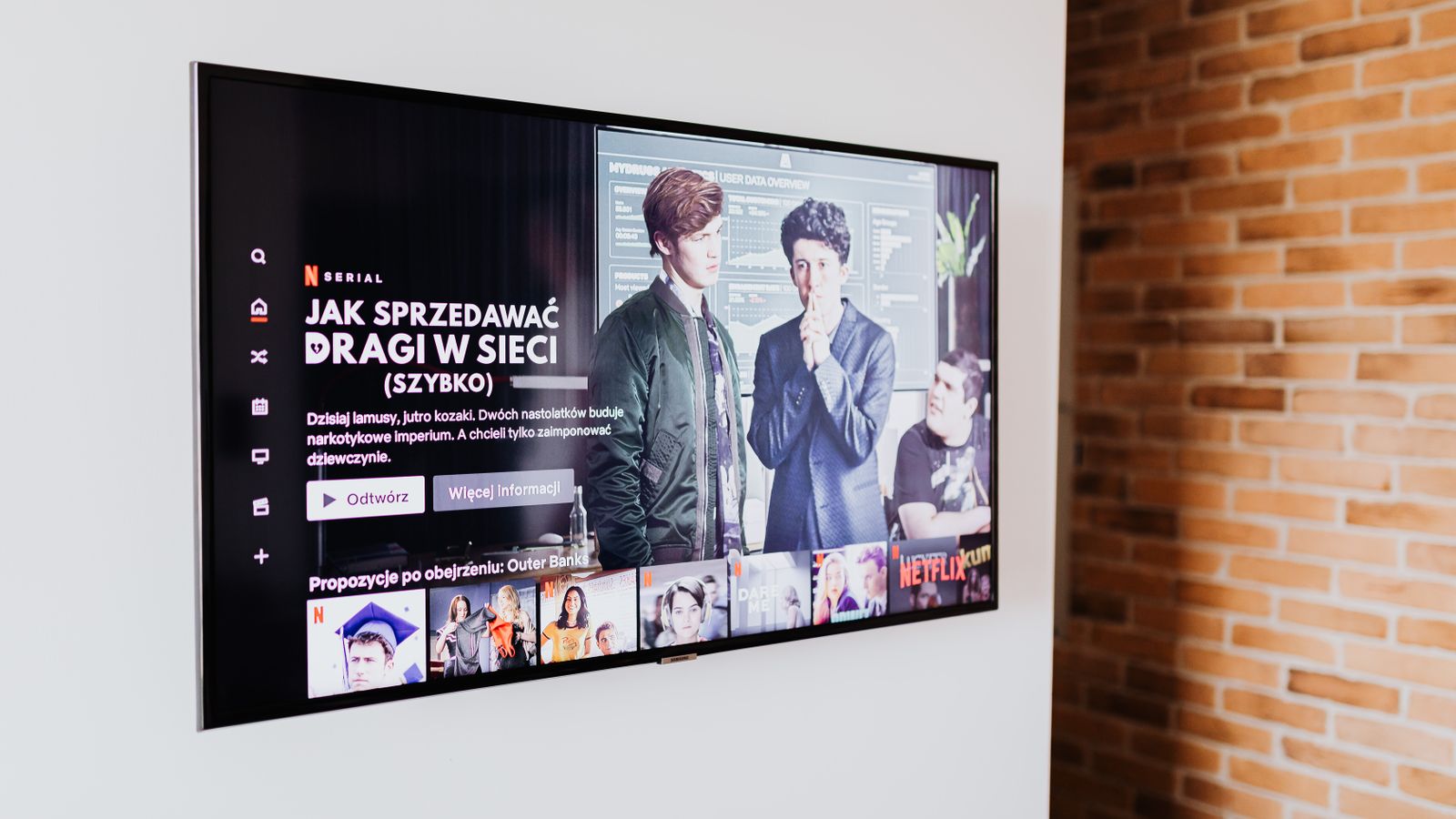
Resolution is the number services advertise. Bitrate is the number that decides how the picture actually looks — and unlike resolution, it changes constantly while you watch.

Most people underestimate their recurring spending, and the reason is structural: charges appear under names that don't match the brands, across at least five separate places. Here's a method that catches them.

They look like alternatives and they aren't. Sync, backup and archive are three different jobs, and using one tool for all three is how people lose files.
Media Fun Box Blog is published by Carttenders, Lda, a company registered in Portugal.
We write about entertainment software and digital media. Some of the services we mention or link to have a commercial relationship with us, and we may receive a commission if you sign up through one of those links. That never changes what you pay.
We're not an independent review site and don't pretend to be. Articles that discuss a service we earn from are marked at the top. Everything here is free to read, with no account and no cookies.